Two channels with different roles
A website and social channels do not need to be alternatives where one replaces the other. The site can explain the offer and provide a stable place for contact. Social channels can help people discover the business, see its work and start a conversation.
The decision depends on customers, services and available maintenance time. Before adding profiles or pages, identify where useful questions already arrive. One channel the team can manage well is often a better start than several neglected channels.
Control over the address and content
A domain of your own lets you organise content around the business and share one recognisable address. That control still requires clear access, domain renewal, hosting and maintenance. A business owner is not automatically independent if a supplier holds everything without a handover agreement.
On social platforms, you operate within their rules and features. Account availability, reach and content presentation can change. Keep your own materials and a way for customers to find contact details if one channel becomes unavailable.
Social channels for discovery and conversation
Work photographs, a short tip or an answer to a question can introduce the business to people who are not yet searching for its name. Choose formats that fit what you can actually demonstrate. Original work and reliable responses are more useful than randomly copying popular posts.
Messages and comments take time. Agree who responds and where next steps are tracked. Many reactions do not mean many jobs; assess whether the audience needs your offer and whether conversations progress.
The website for detail and decisions
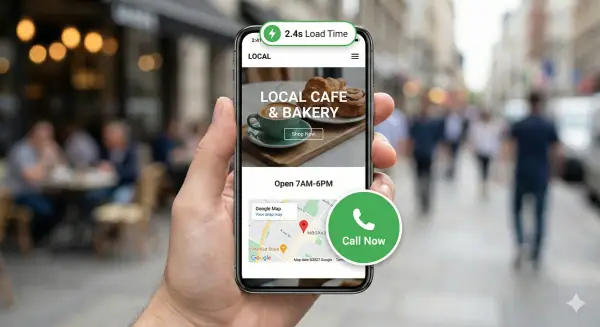
A customer comparing options needs a clear service explanation, real examples and an understandable contact path. A website can organise those answers without asking them to search through old posts. Explain limitations too so they can judge whether the offer fits.
The site must work on phones and stay current. Search may bring new visitors, but publishing a site does not guarantee traffic. Content, technical availability and the business's reputation need ongoing attention.
Connect posts to the right page
When a post describes one service, link to the relevant explanation rather than always to the homepage. Keep the offer name, imagery and next step consistent. Visitors should not have to search again for what interested them.
If you measure campaigns, use appropriate privacy settings and verified events. Different channels may report the same conversation differently. Do not add every reported conversion as though they necessarily represent different customers.
One place to track actual enquiries
People may contact you through a form, email, WhatsApp or social platform. Multiple channels are manageable when messages remain accessible and someone knows they need a response. Use a work queue or task containing the original enquiry.
Check what happens when a notification is missed or the responsible person is away. A saved message and clear ownership matter more than assuming everyone saw an email. Customers should receive a human response that addresses what they actually wrote.
How to choose the next investment
If you have an active audience but the offer and contact path are unclear, improve the destination first. If the site works but nobody discovers it, review acquisition channels and content. If enquiries arrive without responses, fix handling first.
Start with an obstacle you can demonstrate rather than the desire to be everywhere. Websites and social channels can work together when each has a role, a realistic maintenance plan and a connection to work the business can deliver.
Frequently asked questions
Do I need a website if I already have social media?
It depends on your customers, your services and the time you have for maintenance. On a social platform you operate within its rules and features, so account availability, reach and the way content is shown can change. A site on your own domain gives a more stable place for the offer and contact details, but it needs access, domain renewal, hosting and maintenance.
What does a website do better, and what do social media do better?
A website is the place for detail and decisions: a clear description of the service, real examples, limitations and an understandable way to get in touch. Social media are the place for discovery and conversation: photographs of your work, short tips and answers to questions for people who are not yet searching for your name.
How do I connect a post to a website?
When a post is about one service, link to the page that explains that service rather than always to the home page. Keep the name of the offer, the images and the next step consistent, so visitors do not have to search again for what interested them.
How do I keep track of enquiries that arrive through several channels?
Keep them in one place, with the original message, and decide who replies. Check what happens when a notification is missed or the responsible person is away. Different channels may report the same conversation differently, so do not add up every reported conversion as if each were a different customer.
What should I improve first when time and money are short?
Start with an obstacle you can demonstrate. If people arrive but the offer and contact path are unclear, improve the place they arrive at. If the site works but nobody discovers it, review how people find it and the content. If enquiries arrive without replies, fix handling first.
Create one clear journey: a post or recommendation, a relevant page and simple contact. Each step should continue the same conversation.